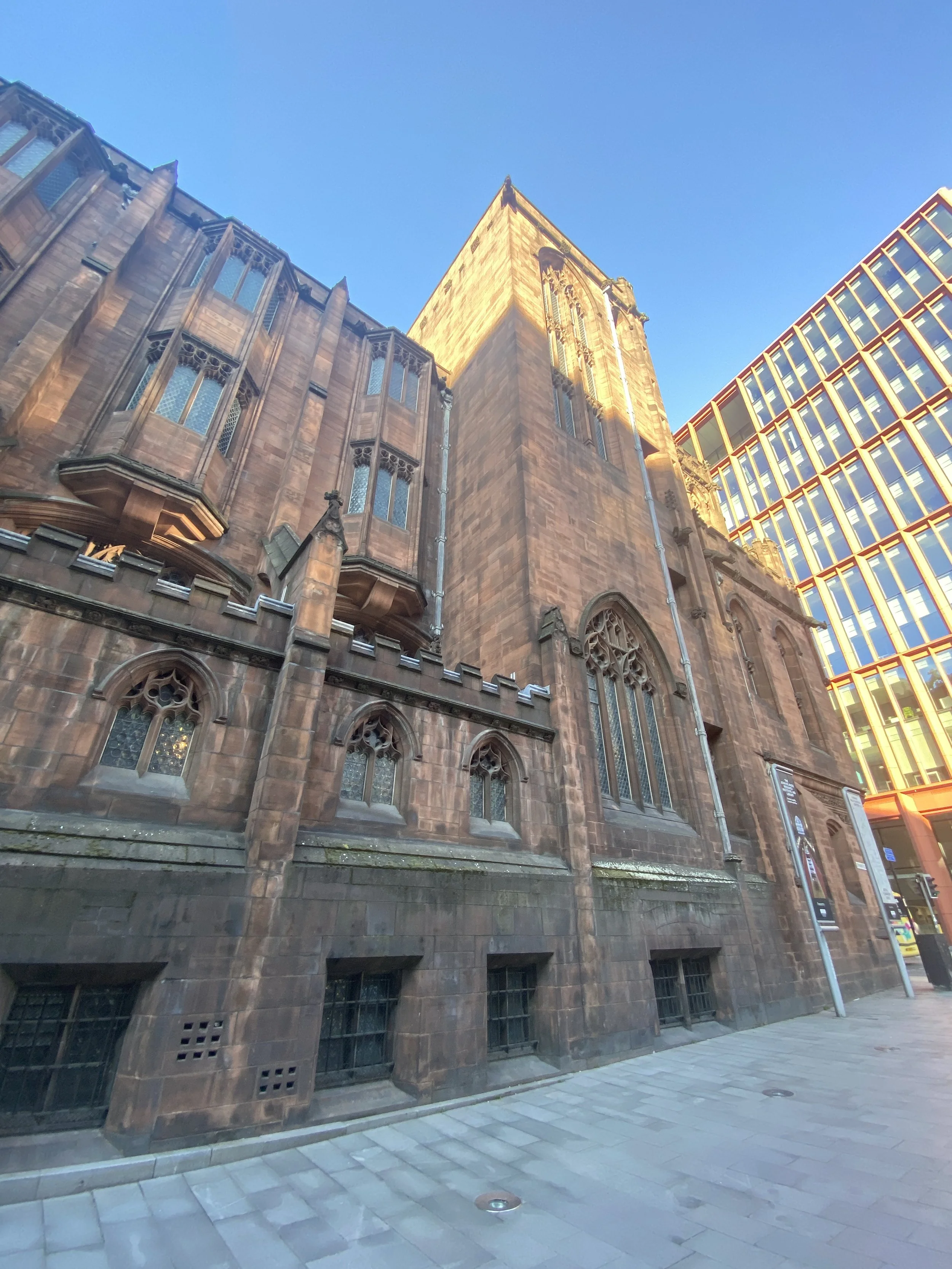
John Rylands Library
Deansgate, Manchester, UK
Have you ever walked into a building and felt as though you had stepped through a doorway into another world? A place where the atmosphere is almost magical, where towering arches reach towards the heavens, ancient books line the shelves, and the silence seems to whisper stories of centuries gone by?
If you have ever visited the John Rylands Library in Manchester, you will know exactly what I mean.
Behind this extraordinary building lies the story of a remarkable woman whose name is often overshadowed by that of her wealthy husband. A woman who, despite living in a time when women had limited opportunities to exercise public influence, helped shape the cultural history of Manchester. Some legacies are built from wealth. Others are built from a vision. Enriqueta Rylands left Manchester both.
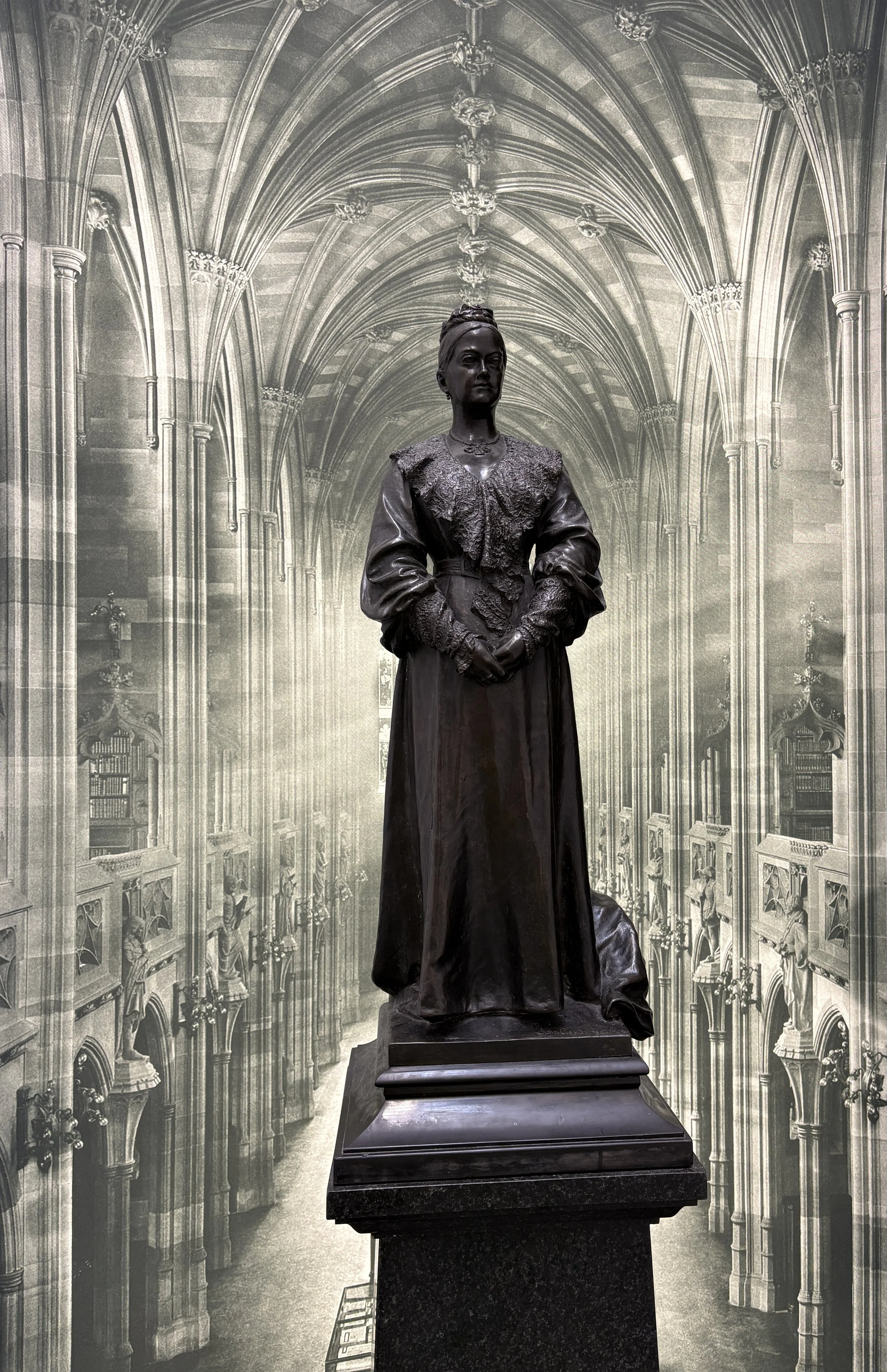
Enriqueta Rylands
31st May 1843 - 4th February 1908
Enriqueta was born in Cuba on 31st May 1843, into a privileged background. Her father, Stephen Cattley Tennant, was a merchant with links to Liverpool, while her mother, Juana Camila Dalcour, came from a French-American background. Being born into wealth, you’d have thought her future was secure. It wasn’t.
By the age of just 12, Enriqueta had lost both her parents. She and her siblings were sent to Britain to live with her paternal relatives, leaving behind the world in which they had been born.
Imagine being that young, without your parents, having to adapt to a different country and an unfamiliar way of life. Although Enriqueta came from a privileged family, she arrived in Britain as an orphan, without the independent wealth that might have secured her future.
Very little is known about her early years. Enriqueta was a very private woman, and much of her personal story remains hidden from us today. Perhaps that is part of what makes her so intriguing. Her education had taken her through New York, London and Paris, giving her a cosmopolitan outlook that was unusual for a woman of her time.
Sometime after 1860, Enriqueta found work as a companion to Martha Rylands, the wife of John Rylands, a wealthy Manchester cotton industrialist.
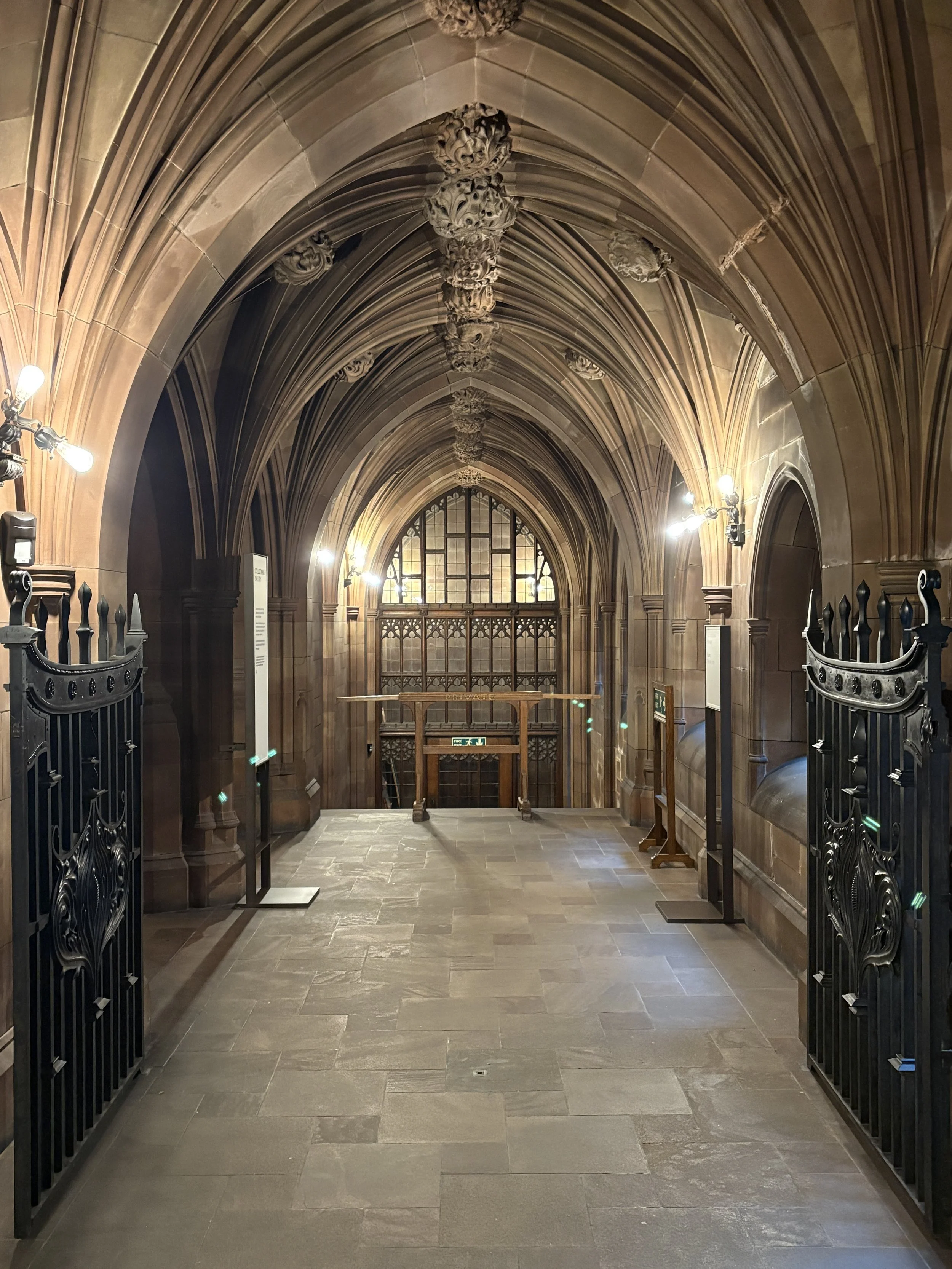
Inside John Rylands Library
Walking through the library is magnificent
During the 18th and 19th centuries, becoming a companion was one way for a woman of respectable social standing, but without independent means, to earn a living. It was a very different role from that of a servant. A companion might share her employers daily life, accompany her on visits, attend social gatherings and help entertain guests.
The position offered a degree of security and social standing. Although often unpaid, the companion would be given their own room and all meals were provided. Many were also given a small allowance.
For Enriqueta, it would bring her into the world of one of Manchester’s wealthiest families.
Martha died in 1875, leaving John a widower.
Eight months later, on 6 October 1875, John Rylands, 74, married Enriqueta, who was just 32.
It was a marriage that brought together two people with a shared interest in literature, religion and philanthropy. Both believed that education and culture could enrich people’s lives, and their interests would eventually become Enriqueta’s greatest achievement.
John had amassed an enormous fortune through the cotton industry. His wealth gave him considerable influence, but it was Enriqueta who would ultimately use that wealth to create something that would outlive them both.
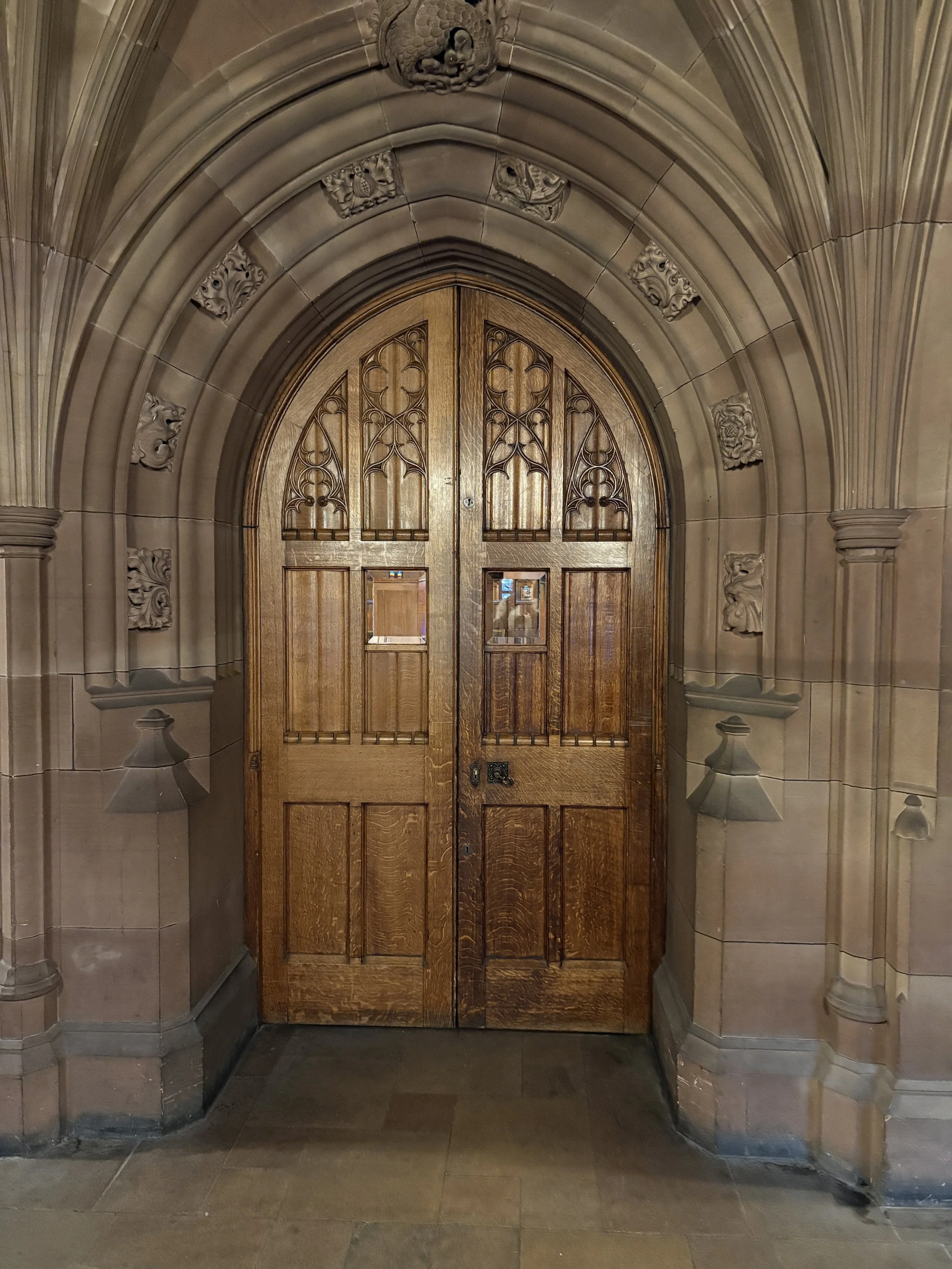
The interior doors
Arched doorways adding yet more beauty to this extraordinary library
John Rylands died in 1888, leaving an estate worth approximately £2.5 million, the bulk of which was passed on to Enriqueta. It was an extraordinary inheritance, worth many times that amount in today’s money. It gave her the financial independence to pursue ambitions that few women of Victorian Britain could have contemplated.
She could have spent the rest of her life enjoying the privileges her fortune afforded her. She could have travelled, entertained guests and lived comfortably away from the public gaze.
But Enriqueta had a different vision.
She wanted to create a library in memory of her husband, one that would give the people of Manchester access to books, learning and knowledge. This was not simply to be a place for wealthy collectors or academics scholars. It was intended as a gift to the city, opening the doors of learning to a wider public.
In 1889, she commissioned architect Basil Champneys to design the building. Construction began in 1890 and would take around ten years to complete.
Enriqueta was no passive benefactor, simply writing cheques and leaving the decisions to others. She was closely involved in the design and construction of the library, as well as the selection and acquisition of its collections.
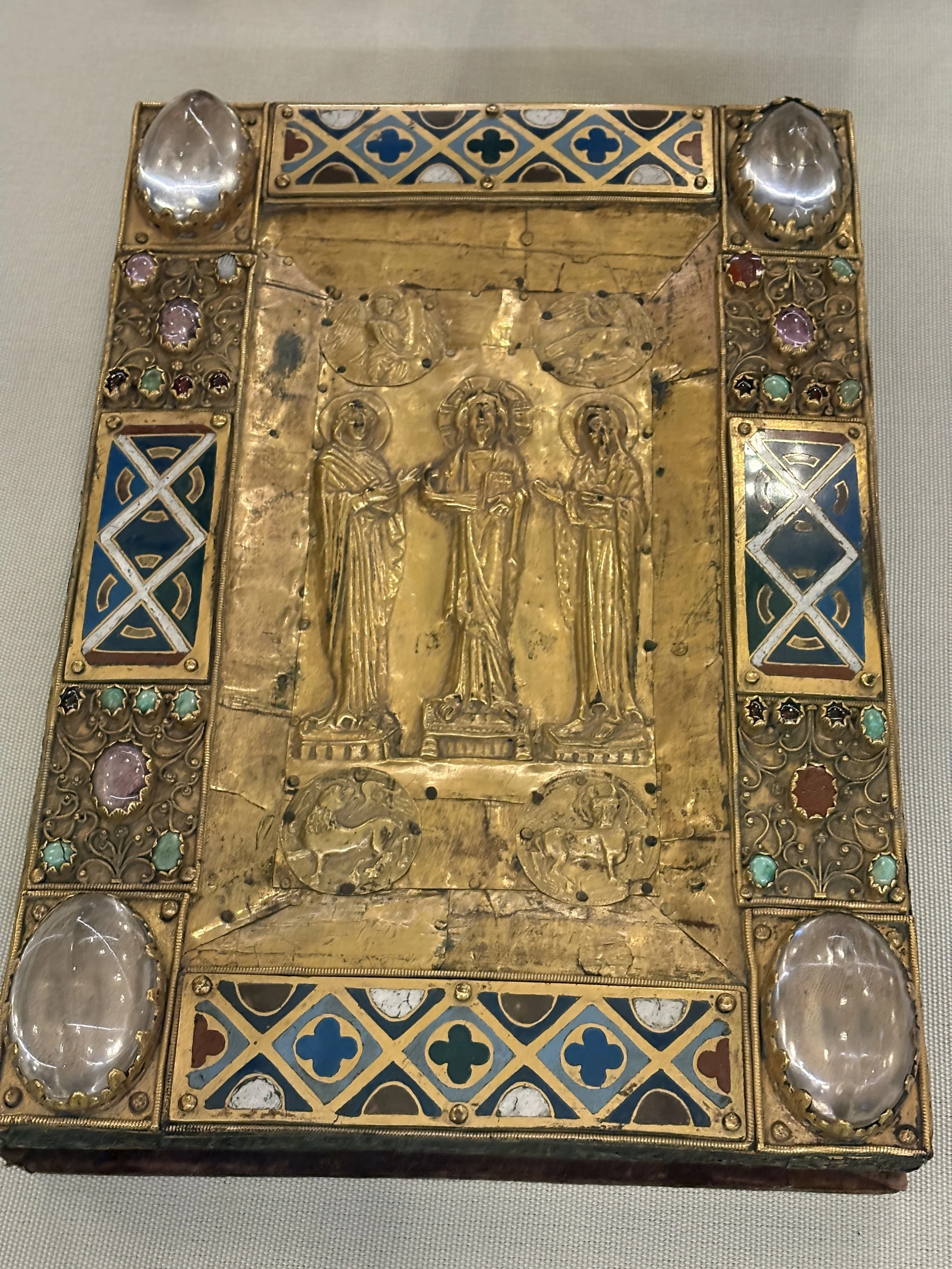
The Medieval New Testament
Coloured enamel, gems and large oval crystals frame the gold-plated central panel
Her ambition was immense. She wanted to create something enduring, a place where the written word would be treasured and where generations of people could discover the ideas, stories and knowledge preserved within the walls.
She was prepared to invest a remarkable amount of money to make that dream a reality. In 1892, she made an extraordinary purchase. She acquired the celebrated library assembled by George John Spencer, the 2nd Earl Spencer, buying the collection from his descendant, the 5th Earl Spencer, for the enormous sum of £210,000. And if that wasn’t enough, in 1901, she purchased the manuscript collection known as the Bibliotheca Lindesiana for £155,000.
Her acquisitions helped establish the library as one of the great research collections of its day.
Think about that for a moment. A woman who had once depended upon the security of another household was now directing the creation of an institution that would preserve some of the world’s most significant written treasures.
What an extraordinary journey.
For me, the excitement comes from the building itself. Talk about stepping into a Victorian masterpiece.
It’s grand.
It’s majestic.
It’s breathtaking.
Honestly, it gives me Harry Potter vibes…although, technically, the library came first!
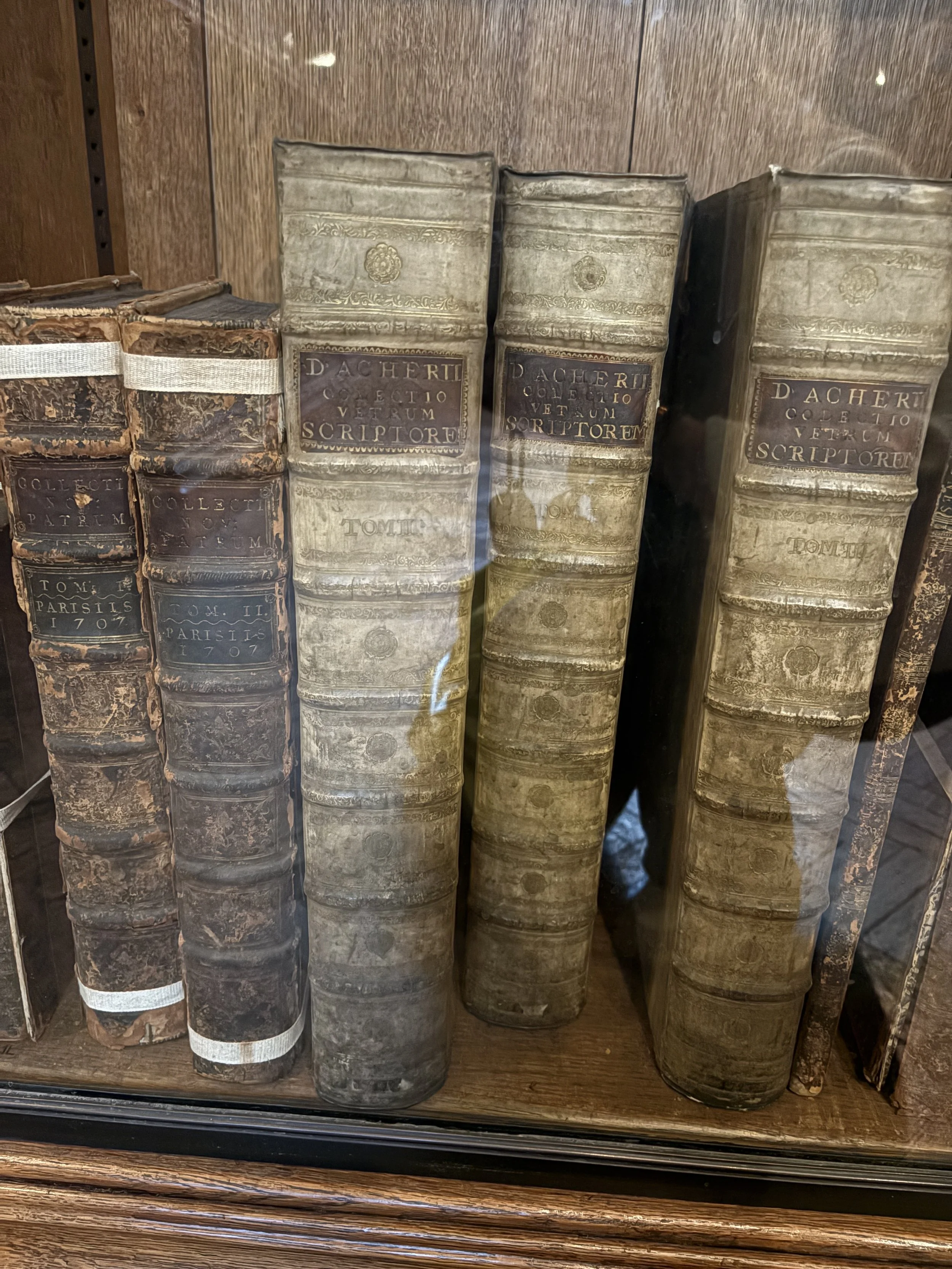
Specialised Collection Care Team
A skilled team of conservators are responsible for using scientific approaches to monitor degradation
The moment you step inside the John Rylands Library, the atmosphere changes. The noise of modern Manchester seems to fade away. It feels as though you have wandered into a medieval cathedral, a Gothic castle or perhaps a forgotten world where scholars spent their days surrounded by ancient mysteries.
Look around and the building seems to unfold into one magnificent space after another. The light filters through the windows, illuminating the stone and giving the interior an almost dreamlike quality.
It’s easy to understand why the library is considered one of the finest examples of neo-Gothic architecture in Europe.
What I love about this building is that it is not simply beautiful for beauty’s sake. It was built to house knowledge, to preserve history and to make literature accessible to the people of Manchester.
And knowing that Enriqueta was so closely involved in bringing it to life makes it even more remarkable. It was Enriqueta’s expression of a belief that learning and culture should not be the exclusive privilege of the rich.
She supported numerous charitable and educational causes, including movements that sought greater recognition of women’s contributions to society and their right to work.
In 1899, she became the first woman to receive the Freedom of the City of Manchester, an honour that reflected the significance of her contribution to the city.
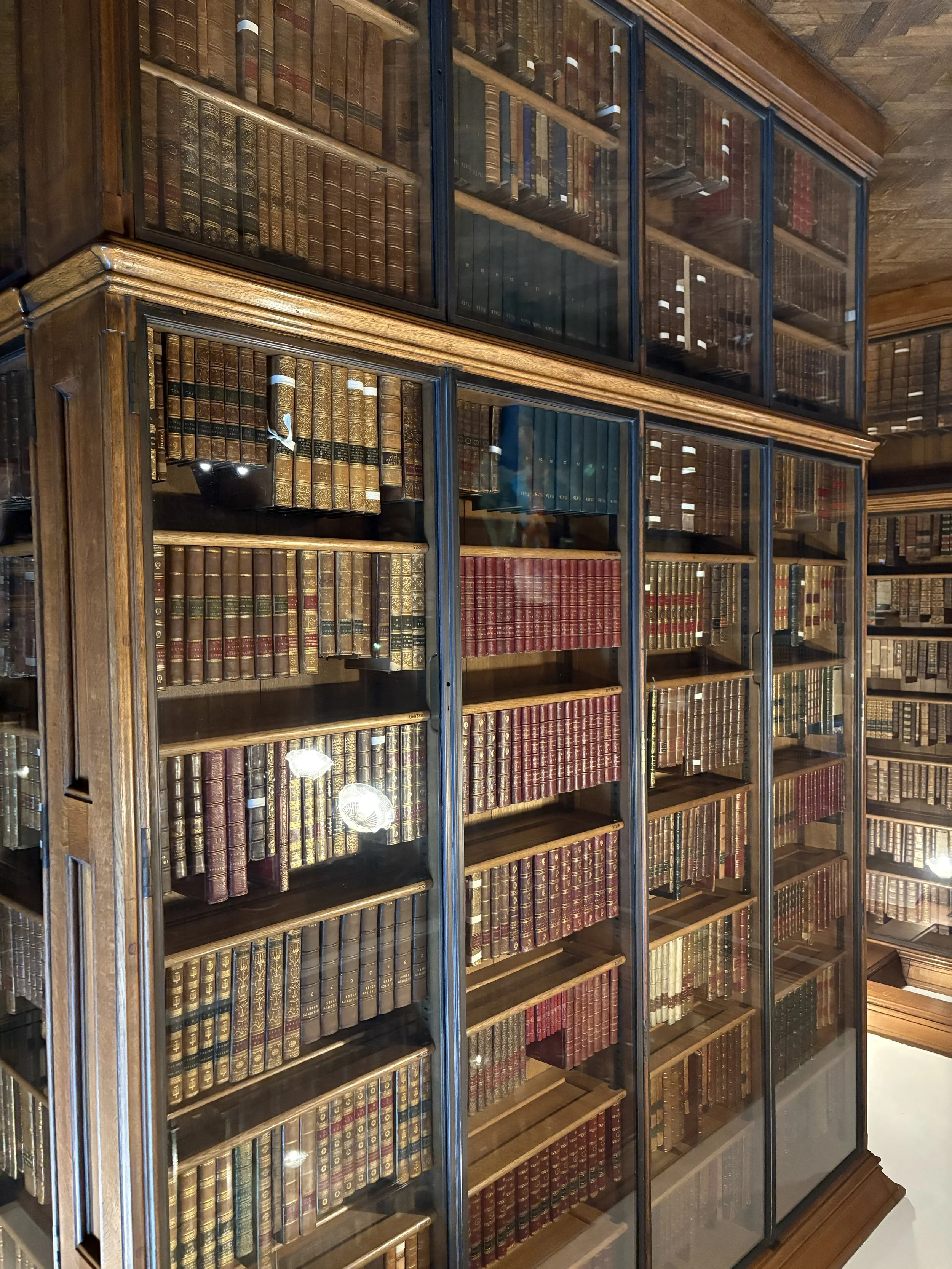
Preservation measures
Collections are kept in closed access storage with no public shelf browsing
Enriqueta never seemed particularly interested in fame. Much of her charitable giving was made anonymously, and she was careful to protect her privacy.
Perhaps her greatest ambition was never to be remembered as a wealthy woman, but to create something that would continue to serve others long after she was gone.
Enriqueta could have chosen a quiet life of comfort.
Instead, she chose to build something that would enrich the lives of countless others.
She valued books, believed in education, supported charitable causes and understood the power of knowledge.
She did all of this at a time when women were still fighting for recognition, independence and a greater place in public life.
Her story deserves to be told.
So next time you're wandering through Manchester, take a moment to step inside the John Rylands Library. Look up at those extraordinary arches, admire the craftsmanship, breathe in the atmosphere and imagine the determination it took to bring such a vision to life.
Because behind every magnificent building is a story.
Enriqueta Rylands was the woman who quietly changed the city forever!
