Sailing beneath a canopy of stars can bring a sense of peace to the mind and soul. Yet the sea has another side. Beneath its beauty lies an unpredictable force, capable of turning tranquility into terror in a matter of moments. For those who venture into the unknown, the ocean holds questions that may never be answered. And sometimes, it keeps secrets forever.
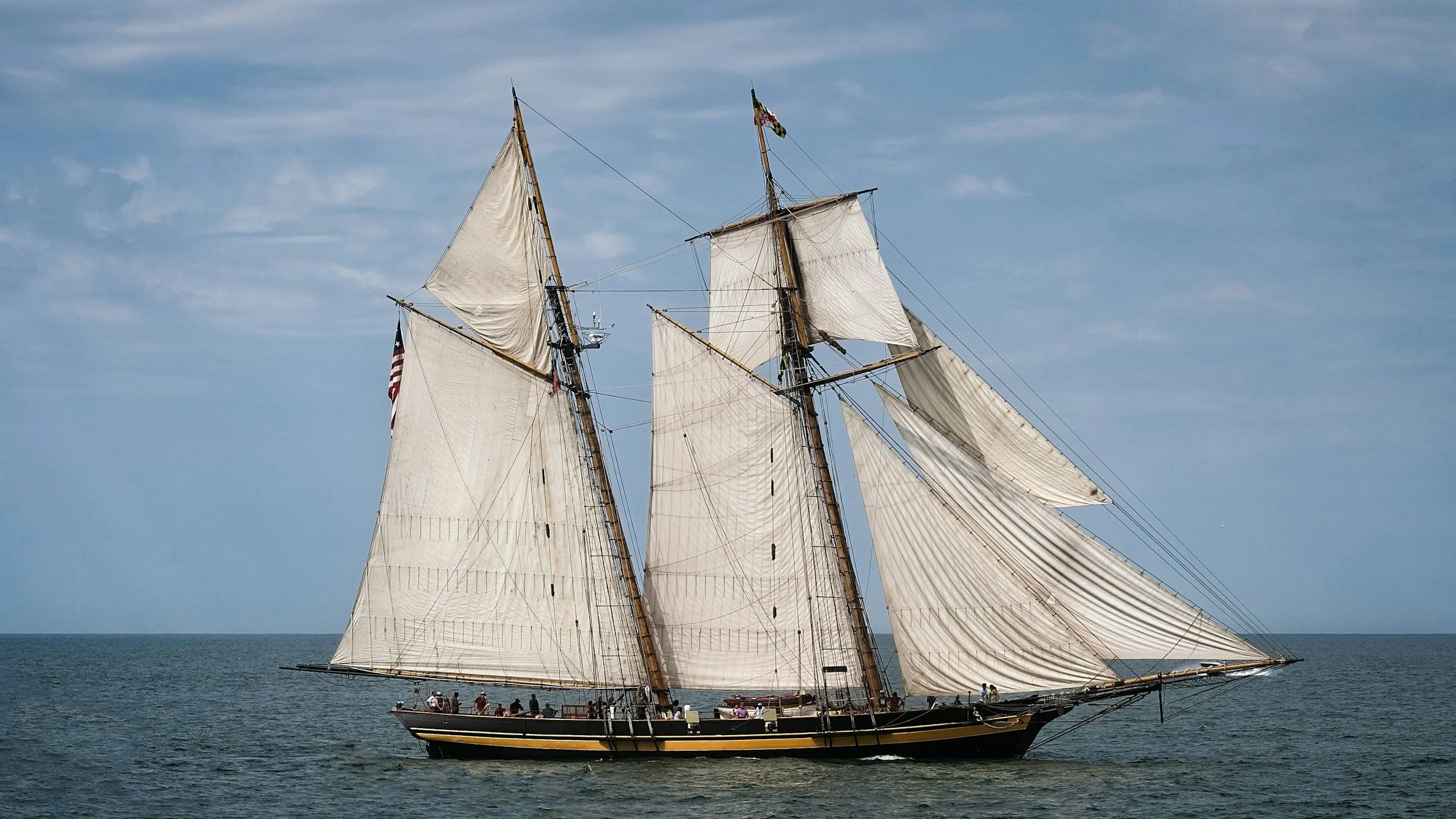
Stock image of a ship similar to the Mary Celeste.
On 7th November 1872, Captain Benjamin Spooner Briggs set sail from New York aboard the Mary Celeste, bound for Genoa, Italy. He was an experienced captain who had spent more than a decade at sea, and this was not his first voyage. However, it was his first commanding the Mary Celeste.
This time, he would not be travelling alone. His wife, Sarah, and their two year old daughter, Sophia Matilda, were joining him on the voyage. Their seven year old son, Arthur, remained at home with his grandmother so that he could continue his schooling. Like many seafaring families of the time, the Briggs family faced long separations, and Sarah often accompanied her husband on his voyages rather than remain ashore for months at a time.
Along with seven crew members, Captain Briggs and his family departed with a cargo of approximately 1,700 barrels of industrial alcohol. The journey was expected to take around a month. There was no reason to believe this voyage would be any different from the others.
But somewhere across the vast Atlantic ocean, something happened that would turn an ordinary passage into one of the most enduring maritime mysteries in history.
On 4th December 1872, Captain David Morehouse of the Dei Gratia was sailing across the Atlantic when he spotted another vessel behaving strangely. It appeared to be drifting erratically, its sails only partly set. As he drew closer, he recognised the ship.
It was the Mary Celeste.
Morehouse and his crew attempted to make contact, but their calls went unanswered. There was no sign of anyone in command, no reassuring response from the deck and no indication that the ship was being properly navigated. Something was clearly wrong.
Two experienced sailors were sent across to investigate. Imagine approaching a ship in the middle of the open ocean, knowing nothing about what awaits you. Had the crew fallen ill? Had a terrible accident occurred? Was someone injured and desperately waiting for help? Or was there something far more sinister waiting beyond the ship's rails?
The sailors climbed aboard.…
Nobody stood at the helm.
Nobody answered their calls.
Nobody appeared on deck to greet them.
There was only the sound of waves breaking against the hull and the creaking of timber beneath their feet.
The ship was eerily quiet.
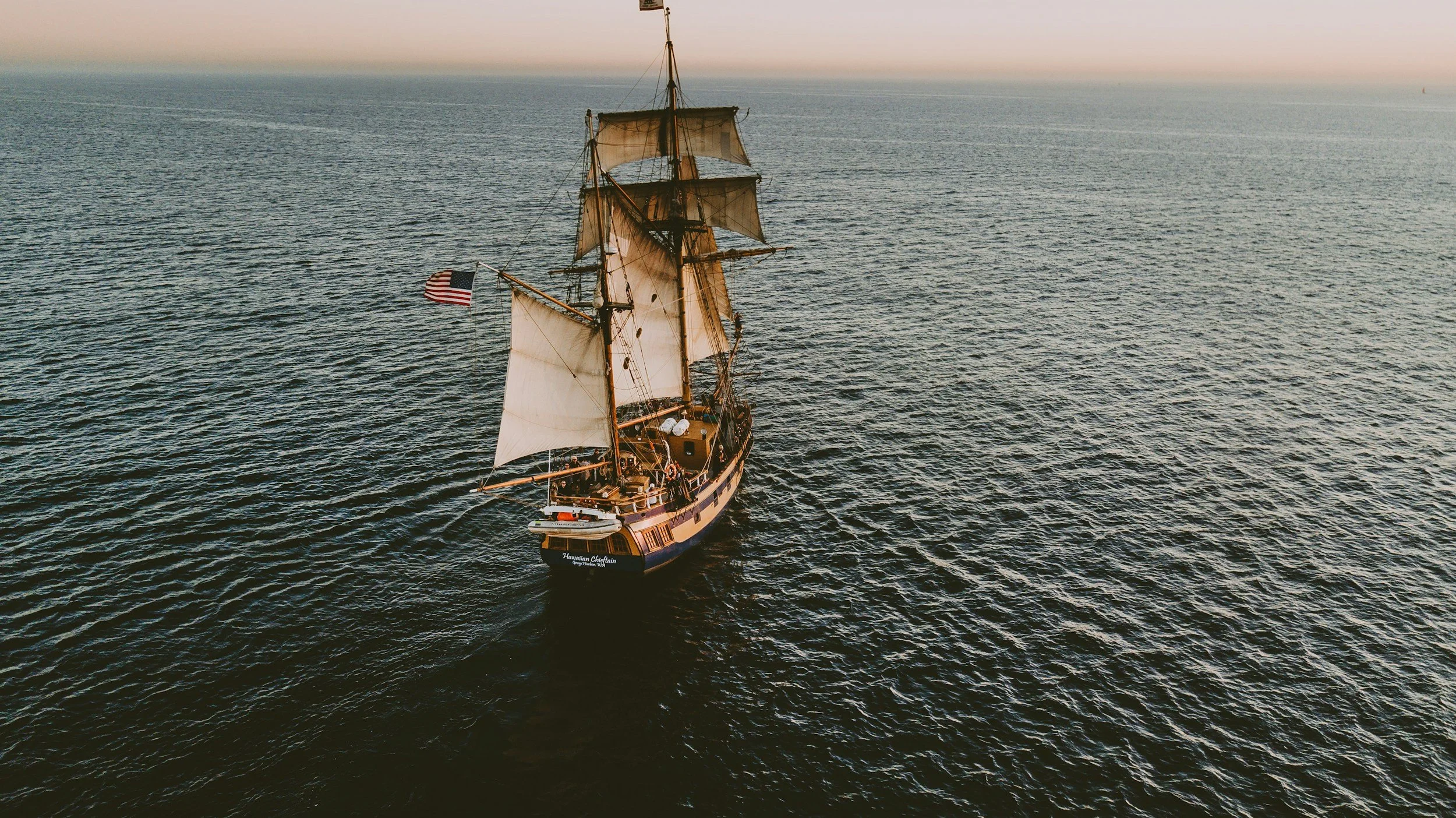
Stock image of similar ship
As they searched, they found no trace of the ten people who should have been aboard. The lifeboat was missing, yet the crew’s personal belongings remained. The cargo was still there, and the vessel carried sufficient food and water supplies to sustain those aboard for a considerable time.
There was water in the bottom of the ship, and some damage to the sails and rigging, but nothing immediately apparent that explained why everyone would have abandoned it. The Mary Celeste was not a wreck. It was not a burning vessel. It had not been reduced to splintered timber by a violent storm.
It was a ship that appeared to have been abandoned.
Ten people had vanished.
Captain Briggs. His wife, Sarah. Their young daughter, Sophia Matilda. Seven crew members.
No one knew where they had gone. Why would an experienced captain abandon a vessel that still appeared capable of sailing? What could have frightened him enough to leave behind his ship, his possessions and almost everything his family owned?
What did he believe was about to happen? Did he think the ship was sinking? Had he feared an explosion? Was there a danger that the men aboard could not overcome? Had he intended to return? Could he have ever imagined that he would never see his ship again?
Perhaps the most unsettling part of the story is that we can ask these questions endlessly, yet none of us can provide a definitive answer.
The discovery of the Mary Celeste led to an investigation in Gibraltar, where the vessel was brought by the crew of the Dei Gratia. The circumstances were so unusual that suspicions of foul play arose, and the possibility of fraud was also considered.
The salvage stood to receive payment for bringing the abandoned ship safely into port. However, the investigation cast a shadow over the case, and the salvage award was considerably less than might have been expected. Despite the suspicions, no evidence emerged that conclusively explained what had happened to Captain Briggs, his family or the crew. The investigation ended without solving the mystery.
Over the years, countless theories have emerged.
Could fumes from the alcohol cargo have led the captain to fear an explosion? Might he have believed the vessel was taking on too much water? Could a sudden change of weather have forced the crew into the lifeboat, leaving them vulnerable to the elements? Foul play has also been suggested.
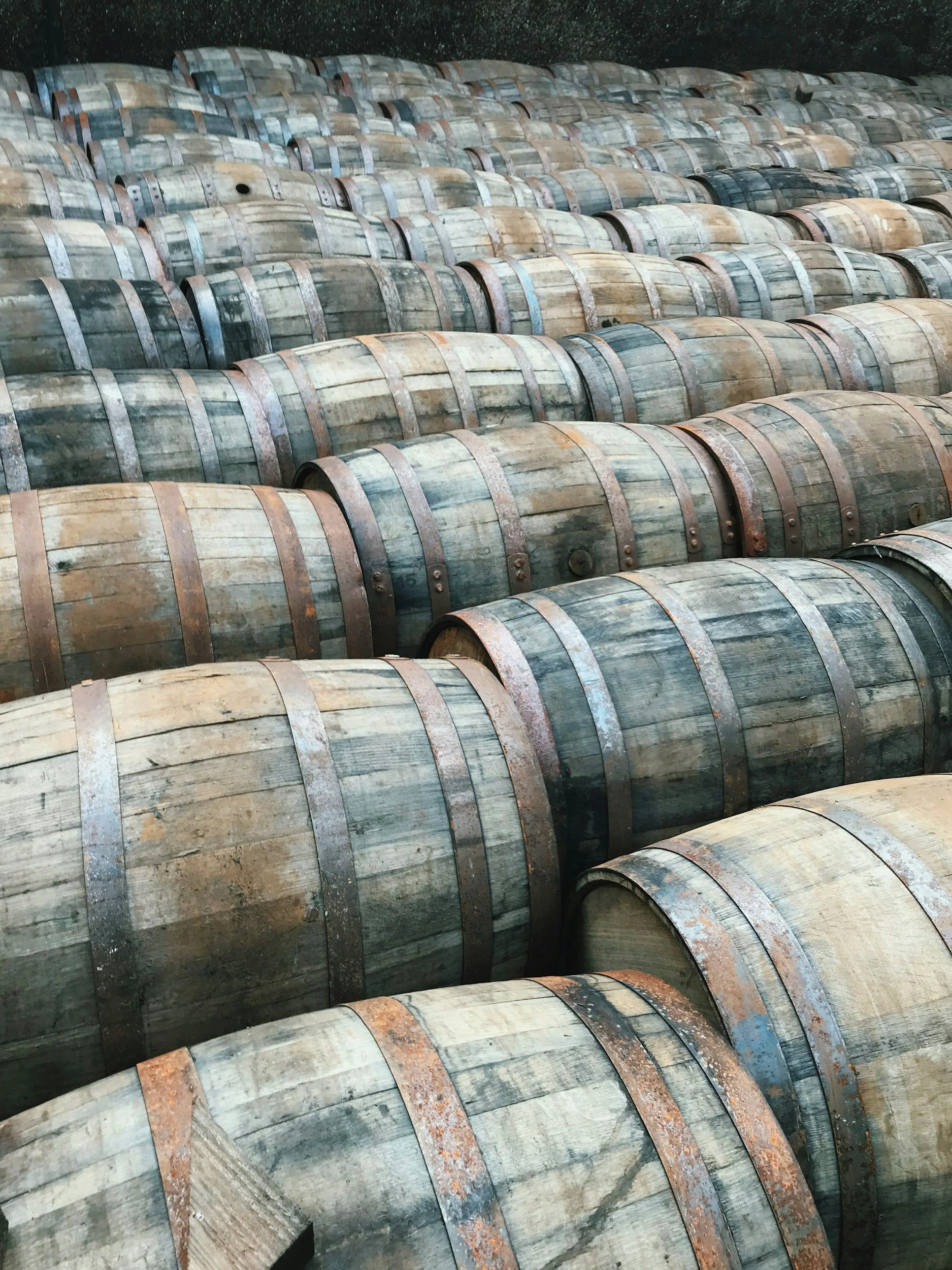
Did he fear an explosion?
Stock image
But theories are not facts, and none has ever been proved.
Perhaps we will never know what happened during those final days aboard the Mary Celeste. Perhaps the answer was simple, hidden among the ordinary dangers of life at sea. Or perhaps a chain of unfortunate events unfolded so quickly that the captain felt he had no choice but to abandon his vessel.
We can only imagine.
And imagination is where history and fiction so often begin to blur.
As generations retold the story, dramatic embellishments crept into the narrative. Details were added, mysteries deepened and fictional accounts helped transform an already extraordinary event into something almost mythical. In time, the imagined story became almost as famous as the historical truth.
Yet beneath the theories, the speculation and the countless retellings, lies a far more heartbreaking reality.
Ten people disappeared, never to be seen again.
No explanation.
No cries for help that reached another ship.
No definitive account of why they left.
No answers for the families who waited for loved ones who would never return.
And somewhere on land, a seven year old boy was left without his parents and little sister.
Arthur Briggs had been left behind to continue his schooling, with every reason to expect that his family would eventually return. Instead, he was left with a loss that no investigation could explain and no passage of time could undo.
It is easy to become absorbed in the mystery of the Mary Celeste, searching for clues and imagining the possibilities. But behind the abandoned ship and its unanswered questions were real people, with families, hopes and lives that had continued until the moment they vanished from the historical record.
They were more than the subjects of a maritime mystery. They were people who were loved, and people who were missed. And that is what makes their disappearance so profoundly haunting.
The ocean can be calm and beautiful, bringing peace to those who stand upon its shores or sail across its waters. It can fill us with wonder, draw us towards distant horizons and make us dream of adventures beyond the familiar.
But…
It can also be cruel and unforgiving. It can take lives without warning, leave questions unanswered and conceal the truth beneath its endless waves.
More than a century and a half later, we are still asking what happened to the Mary Celeste.
The ship was found.
The people were not.
And somewhere, beneath the vast Atlantic, the truth may have disappeared with them, destined to remain a secret of the sea forever.
